
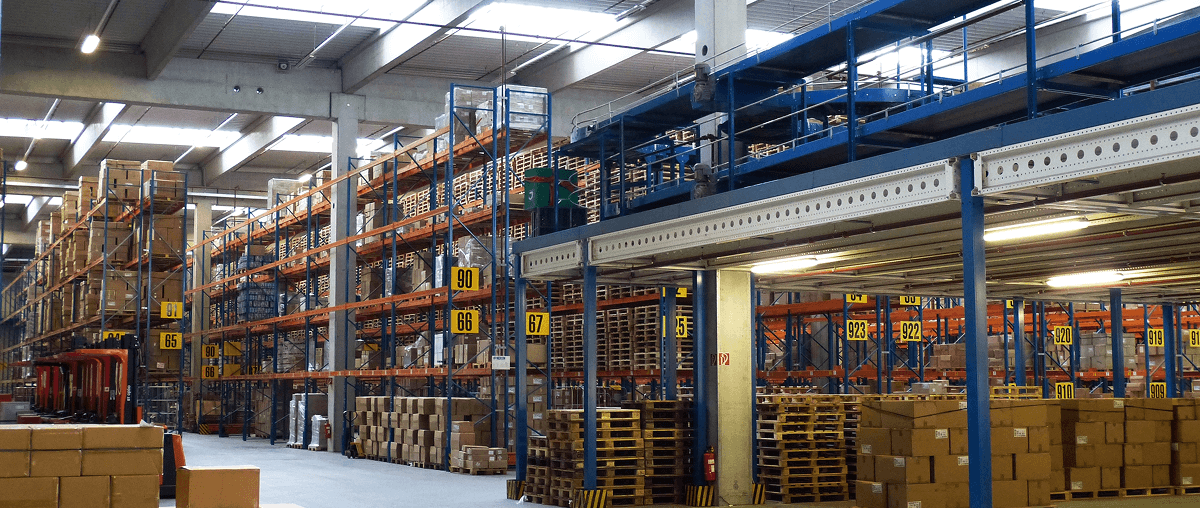
The Benefits of Flex Storage Warehouses
As the business world continues to evolve, companies are increasingly seeking innovative ways to manage their storage needs in a flexible and efficient manner. One of the most significant innovations in this area is the rise of flex storage warehouses, which combine the versatility of different storage solutions with the practicality of efficient space utilization. Flex storage warehouses are facilities designed to adapt to a wide range of operational needs, allowing businesses to store a variety of items, from inventory and equipment to documents and materials. This essay explores the benefits of flex storage warehouses, highlighting their adaptability, cost-effectiveness, scalability, and ability to optimize space and operations for businesses.
What is a Flex Storage Warehouse?
A flex storage warehouse is a type of storage facility that offers a combination of traditional warehouse space and additional flexible features tailored to meet the specific needs of businesses. These warehouses typically provide adaptable layouts that can be adjusted to accommodate different types of goods and activities, such as inventory storage, manufacturing, distribution, and office space. Flex storage is particularly useful for businesses that require both storage space and operational areas, such as small businesses, startups, or companies with fluctuating needs.
Flex storage warehouses often come with built-in office spaces, loading docks, and other amenities that make them ideal for businesses requiring more than just storage. Unlike conventional warehouses, which are often designed for a single purpose, flex storage facilities offer a level of customization and versatility that enables businesses to create functional spaces for various uses within the same facility.
1. Adaptability to Changing Needs
One of the most significant advantages of flex storage warehouses is their adaptability. Businesses, especially those in dynamic industries like e-commerce, retail, or manufacturing, often face fluctuations in inventory levels, production cycles, or space requirements. Flex storage warehouses are designed to adapt to these changing needs by offering configurable spaces that can be quickly adjusted to accommodate different types of inventory or operations.
For example, during peak seasons, a retail business might need additional storage space for inventory, while in off-peak periods, it might need more workspace for administrative tasks. Flex storage warehouses allow businesses to reconfigure the space according to their current needs, whether it’s expanding storage areas, creating office spaces, or setting up areas for product assembly or packing.
2. Cost-Effectiveness and Efficient Use of Space
Flex storage warehouses offer substantial cost savings over traditional warehouse space. Instead of committing to a large, fixed warehouse space, businesses can rent or lease the amount of space they actually need, with the option to scale up or down as required. This is particularly valuable for startups or small businesses that may not have predictable long-term storage requirements but still need access to flexible, efficient storage options.
Moreover, the efficient use of space is a significant advantage of flex storage warehouses. These facilities are designed to maximize usable space, often incorporating features like mezzanine levels, modular shelving, and versatile floor plans to accommodate different types of goods and operations. Businesses can optimize their storage capacity, reducing the amount of unused or wasted space that is typically found in traditional warehouses. The ability to utilize every inch of available space ensures that businesses can store more items without needing to expand their facilities.
3. Scalability and Growth
Flex storage warehouses are highly scalable, making them an excellent option for businesses that experience fluctuating storage needs or rapid growth. Unlike traditional warehouses, which may require costly expansions or construction of additional facilities, flex storage warehouses allow companies to easily scale their storage and operational space as needed.
For instance, as a business grows, it can simply lease additional space or adjust the layout within the existing facility to accommodate increased inventory or operations. This scalability ensures that companies don’t have to worry about being constrained by the limitations of their current storage space, allowing them to grow at their own pace. Flex storage warehouses are also ideal for businesses that experience seasonal fluctuations in demand, as they can expand or contract their storage needs based on changing market conditions without incurring significant costs.
4. Streamlined Operations and Increased Efficiency
Flex storage warehouses improve operational efficiency by offering a range of integrated features and services within a single facility. Many flex storage warehouses combine traditional storage space with office areas, loading docks, and manufacturing or assembly zones, making it easier for businesses to manage their operations from one location. This integration reduces the need for businesses to manage multiple facilities or coordinate between different locations.
For example, businesses can store inventory, handle shipments, and manage administrative tasks all within the same facility. This streamlined approach to operations leads to increased productivity, as employees can quickly move between tasks without having to travel to different locations. Additionally, the proximity of storage space to office areas or manufacturing zones reduces the time spent handling goods and improves overall operational flow.
Furthermore, many flex storage warehouses offer features such as 24/7 access, advanced security systems, and climate control, allowing businesses to ensure the safety and proper storage of their goods. The availability of such services contributes to improved operational efficiency and minimizes downtime, as businesses can store sensitive items, manage inventory, and conduct other activities with ease.
5. Flexibility in Lease Terms
Another significant benefit of flex storage warehouses is the flexibility of lease terms. Traditional warehouse leases can involve long-term commitments with high upfront costs, making it difficult for businesses to adjust if their needs change. In contrast, flex storage warehouses typically offer more flexible lease options, allowing businesses to sign short-term leases or renew their contracts as necessary.
This flexibility is particularly beneficial for startups, seasonal businesses, or companies that are uncertain about their long-term storage needs. The ability to adjust lease terms without being locked into lengthy agreements allows businesses to maintain control over their expenses and operations, making it easier to respond to market changes or unforeseen circumstances.
6. Centralized Location for Better Logistics
Flex storage warehouses are often strategically located near major transportation routes, such as highways, ports, or airports, which makes them ideal for businesses involved in logistics and distribution. The central location allows for easier access to shipping lanes and distribution networks, enabling companies to reduce transportation costs and improve their delivery times.
For businesses that rely on efficient supply chains, having a flex storage warehouse located near key logistics hubs can significantly improve overall efficiency. It reduces the time and cost associated with moving goods between storage facilities, shipping centers, or suppliers, leading to quicker turnaround times and better customer satisfaction.
7. Support for Multiple Business Activities
Flex storage warehouses are not limited to simple storage functions; they can also support a variety of business activities, such as light manufacturing, assembly, or retail. This versatility allows businesses to combine different operations within one facility, which can be especially valuable for companies that require a multi-purpose space.
For example, a business that sells products online may need a storage space for inventory, an office for administrative tasks, and a small assembly area to package items for shipment. A flex storage warehouse can accommodate all of these activities within the same space, providing a one-stop solution for businesses looking to streamline their operations.
Conclusion
Flex storage warehouses provide businesses with a wide range of benefits, including adaptability, cost-effectiveness, scalability, and improved operational efficiency. Their ability to cater to changing storage needs, offer flexible lease terms, and integrate multiple business functions into a single location makes them an invaluable resource for companies of all sizes. Whether a business needs additional storage space, office areas, or the ability to expand rapidly, flex storage warehouses offer a versatile, affordable, and efficient solution. As businesses continue to face evolving demands, the role of flex storage warehouses in enhancing logistical operations and supporting growth will become even more crucial in the years to come.
4o mini